banner
solar mounting system
  • Shingle Roof Solar Mounting-PV Flashing
    Shingle Roof Solar Mounting-PV Flashing Jun 01, 2023
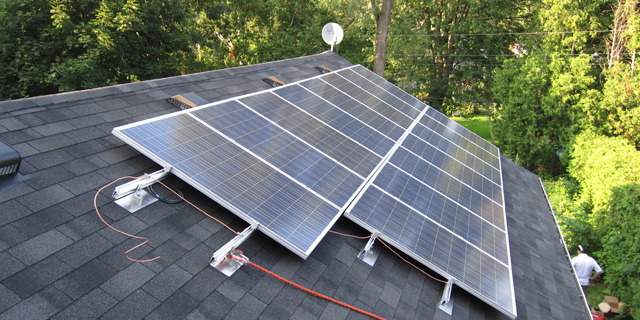
    Landpower Shingle Roof Solar Mounting System is especially engineered for asphalt shingle roof. It highlight the component of universal PV Roof Flashing which is water tight and durable and compatible for most of roof racking. Using our innovative Rail and pre-assembled components like tilt-in T module, clamp kit and PV mount flashing, our Shingle Roof Mounting is not only making the module installation easy and save time but also minimizing damage to the roof.  TECHNICAL INFORMATIONInstall site :Shingle Roof                                           Tilt Angle :Flushed with the roof (10~60 deg)Building Height:20 mMax Wind Speed:<60m/sSnow Load:<1.4KN/m2Standard :AS/NZS 1170 and other international StandardMaterial :High Class Aluminum alloy Al6005-T5& Stainless steel 304Color: Natural or CustomizedAnticorrosive: anodized aluminum & stainless steel Warranty:Ten years warranty and twenty- year service life COMPONENT OVERVIEW Our PV Flashing is engineered and designed for fast installation. it is water tight and durable for any composite. This PV Flashing kit is compatible for most of solar racking, the main components are below:                                         PV Flashing                           AL Base               L-Bracket           Standoff               Hex Cap          Lag Bolt BENEFITS1, Fast InstallationComing with PV mount flashing, there’s no need for trimming shingles, just drill one hole into rafter backfilling sealant and slide the PV flashing beneath shingle, drive the bolt home, and it is done. The tilt-in T module can be put into the extruded rail from the any location and can be highly pre-assembled with the clamp and L bracket to guarantee a fast and easy installation process.2, Save ApplicationEquip with PV flash, there's no shingle cutting and no shingle distortion caused by trying to force a fit. Just a permanent, watertight mount every time!3, EconomicalThe mounting structure is a cost effective mounting solution. The quantity of components can be required and sold according to project specific calculations. The various components can be kept in stock to shorten time between planning and installation.4, Long lifespan All mounting structural components are made of high class stainless steel and anodized aluminum alloy, their high resistance to corrosion and they are designed for twenty-year service life and backed by ten years warranty.   We engineer and design Solar Racking/Mounting Hardware for specific solar projects, there may not list all the details of racking in the web,therefore,please don't hesitate to contact us for more details for your specific projects.
  • How to Customize Solar Mounting Systems for PV Projects?
    How to Customize Solar Mounting Systems for PV Projects? Oct 30, 2026
    Not every solar PV project can use the same mounting structure. A residential rooftop installation, a large commercial solar plant, and a ground-mounted utility-scale project all have different structural requirements. Roof materials, solar panel dimensions, wind loads, installation conditions, and local building regulations can affect the final mounting design. So, how do you customize a solar mounting system for a specific PV project? The process starts with understanding the installation environment, selecting suitable structural materials, determining the mounting configuration, and adjusting component dimensions to match the project specifications. A customized solar mounting solution should provide reliable structural support while keeping installation practical and cost-efficient. Landpower Solar specializes in the development and manufacturing of solar mounting systems, racking components, and customized aluminum and steel products. With mounting solutions for residential, commercial, and utility-scale applications, Landpower supports EPC contractors, solar installers, distributors, and project developers looking for mounting structures tailored to their requirements. This guide explains how to customize solar mounting systems for different PV projects, what technical information manufacturers need, and how to select the right mounting solution for long-term project performance. What Does a Customized Solar Mounting System Mean? A customized solar mounting system is a PV support structure designed or modified according to the specific conditions of a solar installation. Instead of using a standard mounting kit without considering the project environment, the manufacturer adjusts the structure, dimensions, materials, connection methods, or installation configuration to meet actual requirements. Customization may involve several aspects: Mounting structure design for different roof profiles and ground conditions. Rail lengths, bracket dimensions, and component configurations. Solar panel orientation, arrangement, and mounting angles. Material selection, surface treatment, and corrosion protection. Foundation types and structural connections. Pre-assembled components and customized installation accessories. For example, a metal roof project may require mini rails, roof clamps, and compatible fastening hardware, while a large ground-mounted PV project may need steel support columns, aluminum rails, bracing, and pile foundations. Both are solar mounting systems, but their structural designs and component requirements are quite different. This is why working with an experienced solar mounting system manufacturer is important when a project involves non-standard installation conditions or specific engineering requirements. Start with the Project Installation Environment The installation environment is usually the first factor to consider when customizing a PV mounting structure. The same mounting design cannot automatically be applied to every roof or ground condition. Each installation surface has different attachment requirements, load-bearing characteristics, and construction limitations. Metal Roof Projects Metal roof installations commonly use mini rails, long rails, hanger bolts, or standing seam clamps. The appropriate solution depends on the roof sheet profile, purlin structure, and whether roof penetration is permitted. For example, a standing seam roof may use specially designed clamps to secure the mounting structure without drilling through the roof sheet. Metal roof solar mounting structure for customized rooftop PV installations For factories, warehouses, and commercial buildings with trapezoidal or corrugated metal roofs, Landpower provides different rail and clamp configurations. The Pitched Metal Roof Mounting Systems include mini rail, corrugated roof mounting, and standing seam mounting solutions. Tile Roof Projects Tile roof mounting systems require suitable roof hooks or brackets to connect the aluminum rails to the underlying roof structure. Different tile shapes and thicknesses may require different hook heights, widths, and adjustment ranges. Waterproofing and the integrity of the roof covering should also be considered during installation. Flat Roof Projects Flat roof solar installations may use ballasted structures, mechanically fixed brackets, or adjustable tilt mounting systems. The choice depends on the roof's load capacity, available space, wind exposure, waterproofing requirements, and preferred panel orientation. Ground-Mounted PV Projects Ground-mounted systems require a different approach because the foundation and soil conditions directly influence structural design. Pile-driven foundations, ground screws, and concrete foundations may be considered depending on soil characteristics, site accessibility, and engineering calculations. For projects involving different roof or installation conditions, Landpower can provide mounting configurations based on the actual site requirements rather than relying on a single standard design. Customize the Mounting Structure According to Solar Panel Specifications Solar module specifications are another important starting point for custom mounting system design. Even when two projects use the same roof type, differences in panel dimensions, frame thickness, weight, and mounting hole positions may require different structural configurations. Important solar panel information includes: Solar module length and width. Panel frame thickness and profile. Module weight and mechanical load ratings. Mounting hole positions and approved clamping zones. Portrait or landscape installation requirements. Number of modules per row and total array layout. These details help determine the suitable rail spacing, clamp dimensions, support positions, and connection methods. For example, solar panel clamps must match the module frame thickness and be compatible with the mounting rail profile. Solar mounting clamp design for different PV module frame specifications Landpower offers adjustable solar panel mid clamps and end clamps made from aluminum 6005-T5 with stainless steel 304 fasteners. The adjustable clamp designs shown on the website are suitable for panel frame thicknesses from 30mm to 50mm, providing flexibility for different module specifications. For projects involving different panel sizes, buyers can explore Landpower's Solar Mounting Accessories to identify compatible clamps, rails, fasteners, and other connection components. Select the Right Materials for the Project Environment Material selection affects the structural strength, corrosion resistance, weight, manufacturing cost, and maintenance requirements of a solar mounting system. The best material depends on the installation environment and the structural design rather than simply choosing the strongest or most expensive option. Aluminum Alloy Aluminum alloy 6005-T5 is commonly used for solar mounting rails, brackets, and clamps. It offers a useful combination of lightweight construction, mechanical strength, and corrosion resistance. Anodized finishes can provide additional surface protection and different appearance options. Stainless Steel Stainless steel 304 is frequently used for bolts, nuts, roof hooks, and other fastening components. Its corrosion resistance makes it suitable for many outdoor solar mounting applications. The final grade should be selected according to the environmental exposure and project specifications. Coated Steel Steel is often selected for larger structural members such as support posts, beams, and ground mounting foundations. High-strength coated steel, including ZAM (zinc-aluminum-magnesium) coated steel, can be considered where structural capacity and corrosion protection are important design requirements. Material Typical Components Selection Considerations Aluminum 6005-T5 Rails, clamps, brackets Weight, strength, corrosion resistance Stainless Steel 304 Fasteners, hooks, connectors Corrosion exposure and fastening requirements ZAM Coated Steel Ground mounting posts and supports Structural strength and corrosion protection Hot-Dip Galvanized Steel Structural frames and foundations Load requirements and protective coating For coastal projects, industrial environments, or locations with high humidity, corrosion protection deserves particular attention. Material grade, coating specifications, fastener compatibility, and maintenance expectations should all be evaluated together. Adjust Structural Design for Wind, Snow, and Local Conditions A customized PV mounting system must be designed for the environmental loads at its installation location. Wind pressure, snow accumulation, temperature changes, and seismic requirements can all influence the structural configuration. Wind Load: High wind exposure may require stronger connections, adjusted support spacing, additional bracing, or a different foundation configuration. Roof-mounted systems should also consider wind uplift forces and the capacity of the existing roof structure. Snow Load: Projects in snowy regions need to consider the expected snow accumulation and the resulting loads on rails, beams, supports, and foundations. Panel tilt and structural spacing may also affect snow distribution. Temperature and Corrosion: Outdoor structures experience temperature fluctuations and environmental exposure. Thermal expansion, material compatibility, and suitable protective finishes should be considered during design. Local Building Standards: Structural calculations should follow the applicable standards and design requirements in the project location. These may include wind, snow, seismic, and foundation design criteria. A reliable mounting manufacturer should review these conditions before confirming the final design. Simply increasing the thickness of every component is not necessarily an efficient solution. Proper engineering calculations help balance structural safety, material consumption, and overall project cost. Choose the Appropriate Solar Mounting Configuration Once the installation environment, module specifications, and structural requirements are clear, the next step is selecting the appropriate mounting configuration. Landpower provides several mounting solutions for different PV project types. Flat Roof Mounting Systems Flat roof projects can use landscape, portrait, south-facing, or east-west configurations. Ballasted structures may be suitable where roof penetration should be minimized, subject to roof load capacity and wind calculations. Pre-assembled support components can also simplify installation. Solar PV mounting structure for large-scale rooftop installations For commercial rooftops and industrial buildings, Landpower's Flat Roof Mounting System includes ballasted, landscape, portrait, and east-west mounting configurations. Ground Mounting Systems Large ground-mounted projects often require customized post spacing, support heights, foundation solutions, and panel arrangements. Aluminum and steel structures can both be considered depending on the project scale, structural requirements, and installation environment. Aluminum ground mounting structure for commercial solar installations Landpower's Ground Mounting System covers aluminum and steel structures, pile-driven foundations, and ground screw mounting solutions. Solar Carport Mounting Systems Solar carports require a structure that supports PV modules while providing usable parking space underneath. Design considerations include column positioning, vehicle clearance, parking layout, drainage, and whether a waterproof structure is required. For residential and commercial parking projects, Landpower offers Aluminum and Steel Solar Carport Structures, including waterproof design options and pre-assembled configurations. Consider Manufacturing and Installation Efficiency A good customized solar mounting system should not only meet structural requirements but also be practical to manufacture, transport, and install. These factors are especially important for large PV projects, where unnecessary assembly work or incompatible components can increase labor costs and delay construction. When reviewing a customized design, consider the following: Pre-Assembly: Where practical, brackets, clamps, and connection parts can be pre-assembled to reduce on-site work. Standardized Connections: Using compatible rails, bolts, nuts, and connectors makes installation more straightforward. Customized Lengths: Rail and structural member lengths can be planned to reduce unnecessary cutting and material waste. Packaging and Transportation: Component dimensions and packaging should consider container loading, protection, and unloading requirements. Installation Documentation: Clear component lists, drawings, and assembly instructions help contractors understand the mounting configuration. Landpower's product portfolio includes mounting structures with simplified component configurations and pre-assembled options for selected systems. For OEM orders, production can also follow customer drawings and agreed technical specifications. What Information Should You Provide for a Custom Solar Mounting Quotation? Providing complete project information helps a solar mounting manufacturer evaluate the application and prepare a more accurate quotation. It also reduces repeated communication during the design and confirmation stages. Before contacting a supplier, it is useful to prepare the following information: Project Information Details to Provide Project Location Country, city, and installation site conditions Installation Type Metal roof, tile roof, flat roof, ground, or carport Solar Panel Details Module dimensions, weight, frame thickness, and layout Structural Requirements Wind speed, snow load, seismic requirements, and design standards Roof or Ground Conditions Roof profile, purlin spacing, soil conditions, or foundation details Mounting Preferences Material, tilt angle, panel orientation, and connection method Order Requirements Project capacity, estimated quantity, delivery schedule, and packaging For example, an EPC contractor requesting a ground-mounted structure for a large solar farm should ideally provide the module layout, project location, soil investigation report, design loads, and preferred foundation type. These details allow the manufacturer to evaluate the structural configuration more effectively. If complete drawings are not yet available, preliminary project information can still be shared for an initial discussion. However, final structural design and quotation details should be confirmed using the necessary technical data. How Does the Custom Solar Mounting System Process Work at Landpower? For overseas buyers, working with a manufacturer that understands both product specifications and project requirements can make the customization process easier. Landpower supports OEM production of aluminum and steel solar mounting components according to customer drawings and project requirements. A typical customization process includes: Project Requirement Review: The customer provides project information, installation conditions, solar module specifications, and expected quantities. The manufacturer reviews the requirements and identifies the relevant mounting solution. Technical Design and Confirmation: The mounting configuration, component dimensions, material selection, and connection details are reviewed. Structural calculations should be completed or verified according to the project requirements. Drawing and Sample Confirmation: Technical drawings and, where necessary, samples are reviewed before mass production. This step helps confirm component compatibility and manufacturing details. Manufacturing and Quality Inspection: Components are manufactured according to the confirmed specifications. Material, dimensions, surface treatment, and other agreed inspection requirements should be checked. Packaging and Delivery: Finished products are packed according to transportation requirements and prepared for shipment to the project destination. This process helps buyers reduce design misunderstandings and confirm that the supplied mounting components match the approved project requirements before installation begins. Why Work with Landpower for Customized Solar Mounting Solutions? Choosing a solar mounting manufacturer involves more than comparing unit prices. Buyers should also evaluate the supplier's product range, engineering capabilities, manufacturing experience, material options, and ability to support different project types. Landpower Solar focuses on solar PV mounting structures, racking components, and customized aluminum and steel products. Its product range supports different installation applications, including: Pitched metal roof and tile roof mounting systems. Flat roof ballasted and adjustable mounting structures. Aluminum and steel ground mounting systems. Residential and commercial solar carport structures. Solar mounting rails, clamps, roof attachments, and grounding accessories. Landpower also accepts OEM production according to customer drawings, making it possible to discuss customized component dimensions and mounting configurations for specific projects. Whether you are sourcing mounting hardware for distribution or developing a complete PV installation, providing clear project requirements is the best starting point for selecting a suitable solution. Contact Landpower to discuss your project drawings, technical specifications, and customized solar mounting requirements. The team can help you evaluate suitable mounting configurations for your next PV project. Frequently Asked Questions About Custom Solar Mounting Systems What information is needed to customize a solar mounting system? The main information includes the project location, installation type, solar panel dimensions and weight, roof or soil conditions, wind and snow loads, panel layout, material preferences, and estimated order quantity. Project drawings and structural requirements are also useful for accurate design. Can solar mounting systems be customized according to customer drawings? Yes. Solar mounting systems and components can be manufactured according to customer drawings and technical specifications. Landpower accepts OEM production for customized aluminum and steel solar mounting products. Which solar mounting system is suitable for a metal roof? The suitable system depends on the metal roof profile and supporting structure. Mini rails, long rails, hanger bolts, and standing seam clamps are common options for trapezoidal, corrugated, and standing seam metal roofs. Should I choose aluminum or steel for a custom solar mounting structure? Aluminum is often selected for mounting rails and brackets because it is lightweight and corrosion-resistant. Steel is frequently used for major structural supports and foundations where high structural strength is required. The final selection should be based on structural calculations, environmental conditions, and project costs. Can solar mounting structures be customized for high wind or snow load areas? Yes. The structure can be designed according to the applicable wind and snow loads, local design standards, and installation conditions. Support spacing, structural members, connection details, and foundations may need to be adjusted based on engineering calculations. Does Landpower provide complete solar mounting systems or individual components? Landpower supplies complete mounting solutions for different PV applications as well as individual components such as rails, clamps, roof attachments, fasteners, and grounding accessories. OEM production according to customer drawings is also available. Can solar mounting systems be customized for large-scale commercial and utility projects? Yes. Commercial and utility-scale PV projects can require customized support spacing, foundation configurations, structural materials, panel layouts, and installation methods. The final design should be based on project-specific technical and engineering requirements. How can I request a quotation for a custom solar mounting system? Contact the manufacturer with your project location, installation type, solar module specifications, design loads, drawings, and estimated quantity. These details help the supplier evaluate the application and prepare a suitable mounting proposal and quotation. Planning a customized PV mounting project? Share your project requirements with Landpower Solar. From individual mounting components to complete aluminum and steel structures, Landpower can support your solar mounting needs with customized manufacturing solutions. { "@context": "https://schema.org", "@type": "FAQPage", "mainEntity": [ { "@type": "Question", "name": "What information is needed to customize a solar mounting system?", "acceptedAnswer": { "@type": "Answer", "text": "The main information includes the project location, installation type, solar panel dimensions and weight, roof or soil conditions, wind and snow loads, panel layout, material preferences, and estimated order quantity. Project drawings and structural requirements are also useful for accurate design." } }, { "@type": "Question", "name": "Can solar mounting systems be customized according to customer drawings?", "acceptedAnswer": { "@type": "Answer", "text": "Yes. Solar mounting systems and components can be manufactured according to customer drawings and technical specifications. Landpower accepts OEM production for customized aluminum and steel solar mounting products." } }, { "@type": "Question", "name": "Which solar mounting system is suitable for a metal roof?", "acceptedAnswer": { "@type": "Answer", "text": "The suitable system depends on the metal roof profile and supporting structure. Mini rails, long rails, hanger bolts, and standing seam clamps are common options for trapezoidal, corrugated, and standing seam metal roofs." } }, { "@type": "Question", "name": "Should I choose aluminum or steel for a custom solar mounting structure?", "acceptedAnswer": { "@type": "Answer", "text": "Aluminum is often selected for mounting rails and brackets because it is lightweight and corrosion-resistant. Steel is frequently used for major structural supports and foundations where high structural strength is required. The final selection should be based on structural calculations, environmental conditions, and project costs." } }, { "@type": "Question", "name": "Can solar mounting structures be customized for high wind or snow load areas?", "acceptedAnswer": { "@type": "Answer", "text": "Yes. The structure can be designed according to the applicable wind and snow loads, local design standards, and installation conditions. Support spacing, structural members, connection details, and foundations may need to be adjusted based on engineering calculations." } }, { "@type": "Question", "name": "Does Landpower provide complete solar mounting systems or individual components?", "acceptedAnswer": { "@type": "Answer", "text": "Landpower supplies complete mounting solutions for different PV applications as well as individual components such as rails, clamps, roof attachments, fasteners, and grounding accessories. OEM production according to customer drawings is also available." } }, { "@type": "Question", "name": "Can solar mounting systems be customized for large-scale commercial and utility projects?", "acceptedAnswer": { "@type": "Answer", "text": "Yes. Commercial and utility-scale PV projects can require customized support spacing, foundation configurations, structural materials, panel layouts, and installation methods. The final design should be based on project-specific technical and engineering requirements." } }, { "@type": "Question", "name": "How can I request a quotation for a custom solar mounting system?", "acceptedAnswer": { "@type": "Answer", "text": "Contact the manufacturer with your project location, installation type, solar module specifications, design loads, drawings, and estimated quantity. These details help the supplier evaluate the application and prepare a suitable mounting proposal and quotation." } } ] }
  • How to Choose the Right Solar Mounting System for Your PV Project? Nov 06, 2026
    Choosing the right solar mounting system is an important part of planning a successful photovoltaic (PV) project. While solar panels and inverters often receive the most attention, the mounting structure is responsible for securing the modules, transferring loads to the roof or ground, and maintaining the designed panel position throughout the system's service life. A suitable PV mounting system needs to match the installation environment, roof or soil conditions, local wind and snow loads, solar module dimensions, and project budget. A mounting solution designed for a metal rooftop may not be suitable for a concrete flat roof or a large utility-scale solar farm. For EPC contractors, installers, distributors, and project developers, understanding these differences before procurement can help avoid installation problems and unnecessary costs. As a solar mounting structure manufacturer, Landpower Solar provides rooftop, ground-mounted, and solar carport mounting solutions for residential, commercial, and utility-scale PV applications. This guide explains how to evaluate different mounting options and select a structure that fits your project requirements. Start with the PV Project Installation Environment The first step in selecting a solar mounting system is identifying where the PV modules will be installed. The installation surface determines the structural configuration, attachment method, foundation requirements, and many of the components needed for the project. Rooftop solar projects: Residential and commercial buildings commonly use pitched metal roofs, tile roofs, or flat concrete roofs. The mounting structure must match the roof profile and supporting structure while considering waterproofing, roof load capacity, and installation access. Ground-mounted solar projects: Open land provides more flexibility in panel orientation, row spacing, and system capacity. However, soil conditions, foundation selection, terrain, and local environmental loads become important design factors. Solar carport projects: Carport mounting structures combine photovoltaic generation with covered parking. Their design needs to account for vehicle clearance, column positioning, parking layout, drainage, and structural stability. Landpower offers different configurations for these installation environments. Buyers can explore its solar mounting systems and product range to identify suitable structures for their project type. Choose a Mounting System That Matches the Roof Type For rooftop PV installations, the roof material and structural design should guide the choice of mounting hardware. Different roof profiles require different attachment methods, and using an unsuitable bracket or clamp can create installation and waterproofing risks. Metal roof mounting: Trapezoidal, corrugated, and standing seam metal roofs are common in industrial and commercial buildings. Depending on the roof profile, mounting solutions may use mini rails, long rails, hanger bolts, or standing seam clamps. For standing seam roofs, compatible non-penetrating clamps can avoid drilling through the roof sheet. Solar mounting structure for a corrugated metal roof. For these applications, Landpower provides pitched metal roof mounting systems, including mini rail, corrugated roof, and standing seam solutions. The correct option should be selected according to the actual roof profile, purlin arrangement, and project load requirements. Tile roof mounting: Tile roofs require mounting brackets that can connect securely to the underlying roof structure without placing excessive pressure on the tiles. Roof hooks and adjustable brackets are commonly used, but their dimensions and installation positions need to match the tile type and supporting rafters. Flat roof mounting: Flat concrete or low-slope roofs may use ballasted structures, mechanically fixed systems, or adjustable tilt configurations. Ballasted systems can reduce or avoid roof penetrations, but the additional weight must be checked against the roof's load-bearing capacity. Wind uplift, roof membrane protection, drainage, and panel orientation also need to be considered. Ballasted solar mounting structure for flat roof applications. Landpower's flat roof solar mounting systems include landscape, portrait, east-west, and ballasted configurations. These options allow project designers to compare different panel orientations and installation methods according to available roof space and structural conditions. Ground Mounting or Rooftop Mounting: Which Is Better? Ground-mounted and rooftop solar systems serve different project conditions. Neither option is universally better. The decision usually depends on available land, roof suitability, system capacity, installation costs, and long-term maintenance requirements. Rooftop mounting systems make use of existing building space and can be a practical choice for factories, warehouses, commercial buildings, and residential properties. They may reduce the need for additional land, but the building structure must be suitable for the extra loads and installation work. Ground mounting systems provide greater flexibility in array layout, tilt angle, orientation, and maintenance access. They are commonly considered for utility-scale solar farms and large commercial PV projects. Foundation selection is especially important because soil conditions and terrain directly affect structural design. Ground-mounted solar structure for open-area PV projects. For open-ground installations, Landpower supplies both aluminum and steel mounting structures, with foundation options such as pile-driven and ground screw systems. Explore its ground mounting system solutions to compare configurations for commercial and utility-scale projects. When evaluating the two options, compare the total project cost rather than only the mounting hardware price. Roof reinforcement, foundation construction, site preparation, installation labor, and maintenance access can all affect the final investment. Consider Wind Load, Snow Load, and Local Regulations Environmental loads are among the most important factors in solar mounting system selection. A structure that performs well in a mild climate may require a different configuration in a coastal region, a high-wind area, or a location with heavy snowfall. Wind load: Wind pressure and uplift forces affect mounting rails, clamps, brackets, posts, connections, and foundations. Building height, terrain category, roof geometry, array position, and local wind speed should be included in the structural design. Snow load: In regions with significant snowfall, the mounting structure must be designed to withstand the expected snow pressure. Panel tilt, support spacing, rail sections, and structural connections can all influence load distribution. Corrosion exposure: Coastal and industrial environments may expose mounting structures to salt, moisture, or corrosive substances. Material selection and surface treatment should match the actual environmental conditions. Local building standards: The design should follow applicable structural codes and project specifications in the installation country. Engineering calculations should verify the load capacity of the complete mounting assembly, including connections and foundations. For project-specific requirements, Landpower's engineering team can develop customized mounting solutions based on the installation environment and structural conditions. Its steel ground mounting system page also provides an example of how technical parameters, foundation options, and material specifications are presented for a particular product configuration. Published specifications should not be applied to other projects without engineering verification. Select the Right Material for the Mounting Structure Aluminum alloy and steel are widely used in solar mounting structures. The right material depends on the structural loads, installation environment, required service life, transportation conditions, and project budget. Aluminum alloy: Aluminum is lightweight and offers good corrosion resistance, especially when properly anodized. It is commonly used for mounting rails, brackets, and some ground mounting structures. Its lower weight can make transportation and on-site handling easier. Carbon steel: Steel offers high structural strength and is frequently used for posts, beams, and major support components. Hot-dip galvanizing or other suitable protective coatings can improve corrosion resistance. Steel structures may be suitable for projects that require robust supports and specific foundation configurations. Stainless steel fasteners: Bolts, nuts, and other connecting components should be selected according to the required strength and corrosion environment. Material compatibility between fasteners and structural members should also be considered to reduce corrosion risks. Landpower works with aluminum alloy, stainless steel, and galvanized steel components for different PV mounting applications. Its manufacturing and product information describes the use of anodized aluminum and protective steel coatings for corrosion resistance. Buyers can review Landpower's company and manufacturing background when evaluating its material and engineering capabilities. Check Solar Panel Compatibility and Mounting Components A solar mounting system must be compatible with the PV modules used in the project. Panel dimensions, frame thickness, module weight, clamping zones, and installation orientation all affect the mounting configuration. For example, the rail spacing and clamp positions need to follow the module manufacturer's installation instructions. Using an incompatible clamp or placing the clamp outside the permitted zone may affect the module's mechanical performance and warranty conditions. A complete PV mounting structure may include: Mounting rails and structural beams. Mid clamps and end clamps. Roof hooks, L feet, or roof attachment brackets. Ground mounting posts, piles, or ground screws. Bolts, nuts, and other fasteners. Grounding and bonding accessories. The components should work together as one structural system. Buyers sourcing mounting hardware in bulk should confirm the compatibility of each component instead of purchasing rails, clamps, and brackets separately without checking their dimensions and connection methods. For additional information about rails, clamps, and other hardware, visit Landpower's solar mounting system components page. Evaluate Installation Efficiency and Total Project Cost The lowest unit price does not always result in the lowest installation cost. A mounting system with fewer components, clear assembly steps, and a suitable level of pre-assembly may reduce on-site labor and help contractors complete projects more efficiently. When comparing suppliers, consider the following factors: Number of components required for each module or mounting table. Whether components are pre-assembled before delivery. Ease of adjustment and installation on site. Packaging efficiency and container loading capacity. Availability of replacement parts and technical support. Expected maintenance requirements over the project life. For commercial properties with parking areas, a solar carport may provide an additional use for available space while supporting PV generation. Landpower offers both steel and aluminum carport structures, including options designed for waterproof applications. You can review its solar carport mounting systems for residential and commercial projects. Solar carport structure for commercial parking applications. When Should You Request a Customized Solar Mounting System? Standard mounting kits can work well for projects with common roof profiles, module dimensions, and structural conditions. However, some PV installations require adjustments to component dimensions, connection methods, structural materials, or foundation configurations. Customization may be necessary when: The roof profile or supporting structure is different from standard designs. The project uses large-format or special-dimension solar modules. Local wind or snow loads require a project-specific structural design. The installation site has unusual terrain or soil conditions. The buyer needs specific rail lengths, bracket dimensions, or connection details. The project requires OEM production based on technical drawings. Landpower provides customized solar mounting solutions and OEM manufacturing according to customer drawings and project requirements. Its engineering team can work with buyers to review the mounting configuration, materials, component dimensions, and installation conditions. For more details, visit Landpower's customized solar mounting systems page. To help the manufacturer evaluate a project accurately, buyers should prepare the project location, installation type, module datasheet, roof or soil information, wind and snow load requirements, preliminary layout, and estimated order quantity. Drawings and site photographs can also make technical communication more efficient. Why Work with Landpower Solar for Your PV Project? Xiamen Landpower Solar Technology Co., Ltd. specializes in the development, manufacturing, and marketing of solar mounting systems and related steel and aluminum products. The company provides mounting solutions for residential, commercial, and utility-scale PV installations. Its product portfolio covers pitched metal roof mounting, tile roof mounting, flat roof structures, ground mounting systems, solar carports, and mounting accessories. This range allows project buyers to discuss different installation configurations with one manufacturer rather than sourcing every mounting component separately. Landpower also highlights its OEM steel and aluminum manufacturing experience, project-based engineering support, and quality management system. The company states that its quality management system applies ISO 9001:2015 and that its products have approvals or testing associated with TUV, CE, SPAD, and SGS. Buyers should request the relevant certificates and product-specific documentation when these are required for a project. For EPC contractors, installers, distributors, and solar project developers, the next step is to match the mounting structure with the actual site conditions and technical requirements. Contact Landpower Solar with your project details to discuss suitable solar mounting configurations, customized components, and quotation requirements. Frequently Asked Questions About Solar Mounting Systems How do I choose the right solar mounting system for my PV project? Start by identifying the installation type, roof or ground conditions, solar module dimensions, local wind and snow loads, and applicable building standards. Then compare the mounting configuration, material, foundation method, installation requirements, and total project cost. A project-specific structural review is recommended before confirming the design. What is the difference between rooftop and ground-mounted solar systems? Rooftop solar mounting systems use existing building space and must match the roof structure and material. Ground-mounted systems are installed on open land and offer more flexibility in array layout, tilt angle, and foundation selection. The better option depends on available space, structural conditions, project scale, and installation costs. Which solar mounting system is suitable for a metal roof? The suitable system depends on the metal roof profile. Trapezoidal and corrugated roofs may use mini rails, long rails, or compatible roof attachments, while standing seam roofs can use matching seam clamps. The attachment method must be compatible with the roof sheet and supporting structure. Is an aluminum or steel solar mounting structure better? Aluminum is lightweight and corrosion-resistant, making it suitable for many rails, brackets, and mounting components. Steel offers high structural strength and is often used for major supports and ground mounting structures. The final choice should consider structural calculations, corrosion exposure, installation conditions, and project cost. How do wind and snow loads affect solar mounting system selection? Wind and snow loads influence the required strength of rails, posts, clamps, fasteners, and foundations. The mounting system should be designed according to local design standards and project-specific environmental conditions. Structural calculations should verify the capacity of the complete assembly rather than individual components alone. Can solar mounting systems be customized according to project drawings? Yes. Manufacturers can customize rail lengths, bracket dimensions, connection details, materials, and mounting configurations according to technical drawings and project requirements. Landpower provides OEM production and customized solar mounting solutions for different PV applications. What information should I provide when requesting a solar mounting quotation? Provide the project location, installation type, solar panel dimensions and weight, roof or soil conditions, wind and snow load requirements, mounting layout, material preferences, and estimated quantity. Technical drawings, module datasheets, and site photographs can help the manufacturer prepare a more accurate proposal. Selecting the right solar mounting system requires a clear understanding of the project environment, structural requirements, and installation goals. By evaluating roof or ground conditions, environmental loads, materials, component compatibility, and engineering support, PV project owners can make a more informed decision. Landpower Solar offers a range of rooftop, ground-mounted, and carport solutions to support different solar installation requirements. { "@context": "https://schema.org", "@type": "FAQPage", "mainEntity": [ { "@type": "Question", "name": "How do I choose the right solar mounting system for my PV project?", "acceptedAnswer": { "@type": "Answer", "text": "Start by identifying the installation type, roof or ground conditions, solar module dimensions, local wind and snow loads, and applicable building standards. Then compare the mounting configuration, material, foundation method, installation requirements, and total project cost. A project-specific structural review is recommended before confirming the design." } }, { "@type": "Question", "name": "What is the difference between rooftop and ground-mounted solar systems?", "acceptedAnswer": { "@type": "Answer", "text": "Rooftop solar mounting systems use existing building space and must match the roof structure and material. Ground-mounted systems are installed on open land and offer more flexibility in array layout, tilt angle, and foundation selection. The better option depends on available space, structural conditions, project scale, and installation costs." } }, { "@type": "Question", "name": "Which solar mounting system is suitable for a metal roof?", "acceptedAnswer": { "@type": "Answer", "text": "The suitable system depends on the metal roof profile. Trapezoidal and corrugated roofs may use mini rails, long rails, or compatible roof attachments, while standing seam roofs can use matching seam clamps. The attachment method must be compatible with the roof sheet and supporting structure." } }, { "@type": "Question", "name": "Is an aluminum or steel solar mounting structure better?", "acceptedAnswer": { "@type": "Answer", "text": "Aluminum is lightweight and corrosion-resistant, making it suitable for many rails, brackets, and mounting components. Steel offers high structural strength and is often used for major supports and ground mounting structures. The final choice should consider structural calculations, corrosion exposure, installation conditions, and project cost." } }, { "@type": "Question", "name": "How do wind and snow loads affect solar mounting system selection?", "acceptedAnswer": { "@type": "Answer", "text": "Wind and snow loads influence the required strength of rails, posts, clamps, fasteners, and foundations. The mounting system should be designed according to local design standards and project-specific environmental conditions. Structural calculations should verify the capacity of the complete assembly rather than individual components alone." } }, { "@type": "Question", "name": "Can solar mounting systems be customized according to project drawings?", "acceptedAnswer": { "@type": "Answer", "text": "Yes. Manufacturers can customize rail lengths, bracket dimensions, connection details, materials, and mounting configurations according to technical drawings and project requirements. Landpower provides OEM production and customized solar mounting solutions for different PV applications." } }, { "@type": "Question", "name": "What information should I provide when requesting a solar mounting quotation?", "acceptedAnswer": { "@type": "Answer", "text": "Provide the project location, installation type, solar panel dimensions and weight, roof or soil conditions, wind and snow load requirements, mounting layout, material preferences, and estimated quantity. Technical drawings, module datasheets, and site photographs can help the manufacturer prepare a more accurate proposal." } } ] }
get the latest subscribe for newsletter

Please read on, stay posted, subscribe, and we welcome you to tell us what you think.

submit

leave message

leave a message
If you are interested in our products and want to know more details,please leave a message here,we will reply you as soon as we can.
Submit
see more

Our hours

Mon 11/21 - Wed 11/23: 9 AM - 8 PM
Thu 11/24: closed - Happy Thanksgiving!
Fri 11/25: 8 AM - 10 PM
Sat 11/26 - Sun 11/27: 10 AM - 9 PM
(all hours are Eastern Time)

Lunes 11/21 a miercoles 11/23: 9 AM - 7 PM
Jueves 11/24: serados
Viernes 11/25: 9 AM - 10 PM
Sábado 11/26 a domingo 11/27: 10 AM - 7 PM
(hora del Este) Estamos disponibles 6 días a la semana

Contact us #
+86 -592-6212776

home

products

whatsApp

Contact us